 PhuketHotel
Add to Google Preferred Sources
Pets in Phuket: Bringing and Living With a Dog or Cat (2026)
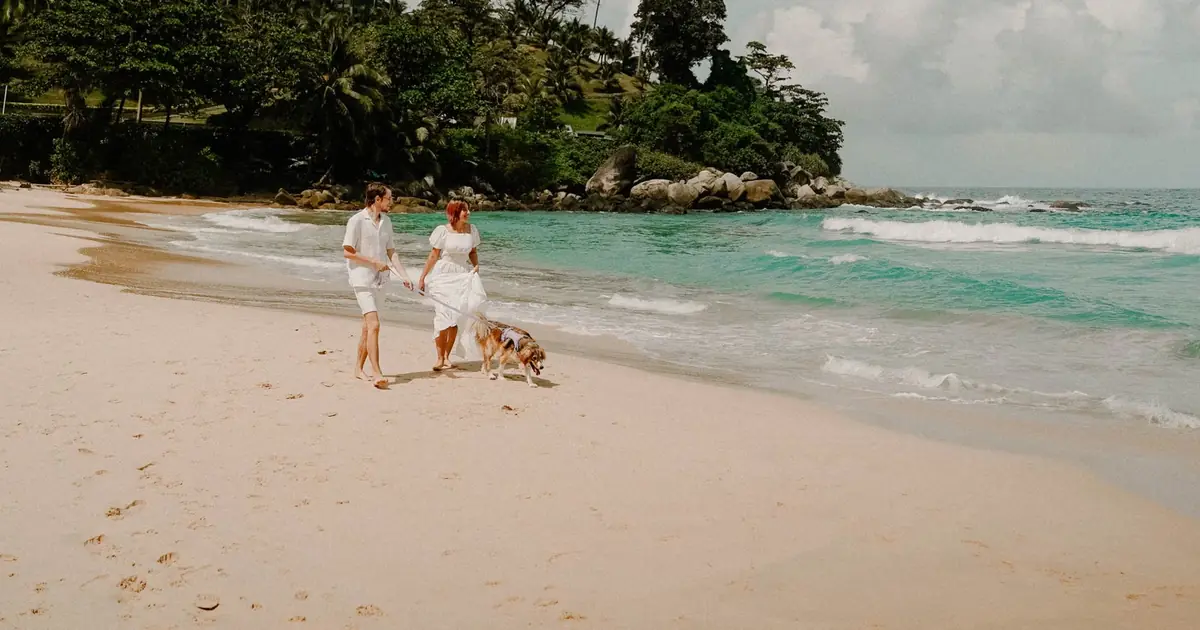
Many expats move to Phuket with a dog or cat, and Thailand allows it without a long quarantine if the paperwork is right. This page explains the main steps and the everyday points for pets in a hot, humid place, checked in November 2026. Import rules are set by the Department of Livestock Development and your own country, so confirm them before you book flights.
The main requirement: an import permit
Dogs and cats need an import permit from the Department of Livestock Development, requested by email from the Animal Quarantine Station for your arrival airport. Embassy guidance says to send the application at least seven working days before travel, and other sources give a window of about 7 to 60 days before departure. The permit is generally valid for about 60 days.
The application uses the Department's import form and a copy of your passport. Apply early and keep the approved permit with your pet's papers.
Other documents and vaccinations
- Microchip: an ISO-compliant microchip, with the chip number on every document.
- Vaccinations: rabies for both dogs and cats. Embassy guidance also lists distemper, hepatitis, parvovirus and leptospirosis for dogs and feline panleukopenia for cats. Rabies shots are generally required at least 21 days before travel, and some pets from rabies-free countries are treated differently, so check your case.
- Health certificate: issued by an official or licensed vet shortly before travel, and sources vary on the exact window, from about 5 to 10 days, so confirm it with the Department and your airline.
- A rabies blood test is not normally required for entry, according to the consulate's list, but some people carry the result.
There is no breed ban for dogs on import, although individual airlines have their own breed and crate rules, and flat-faced breeds are often restricted in the hot months. Book the pet's place on the flight early.
On arrival in Phuket
Check which airport your permit lists, because pets are inspected at an animal quarantine station. Bring printed copies of everything. If the paperwork is complete, sources say there is no quarantine period, but an incomplete file can lead to delay or refusal. Pet relocation companies handle all of this for a fee and are worth considering for a long flight or an unusual pet.
Living with a pet in Phuket
- Heat and humidity: keep dogs out of the midday sun, provide shade and water, and never leave a pet in a parked car. Hot pavement burns paws.
- Parasites: ticks, fleas and heartworm are common. Ask a local vet about prevention.
- Rabies is present in Thailand and there are many stray dogs and cats, so keep rabies vaccination up to date and avoid contact with unknown animals.
- Housing: many condos and some landlords do not allow pets, and some charge a deposit, so get permission in writing before you sign a lease.
- Vets: Phuket has many private vet clinics, and emergency care exists but can be costly. Find one near you before you need it.
- Rainy season brings floods and mould, so plan where your pet can stay safe and dry.
Leaving Thailand with your pet
Going home requires an export health certificate, current rabies vaccination and a microchip, and your destination decides the timeline. Some countries ask for a blood test months before entry, so start planning early. If you plan to leave for good, see the leaving and returning checklist.
This is general information, not medical, legal or insurance advice. Rules and conditions change, so check current official guidance for your situation.
Plan your stay: Thailand visa guides · Phuket area guides · Long-term rentals · Cost of living · More: Family, pets and learning · Phuket Field Guide