 PhuketHotel
Add to Google Preferred Sources
Eating and Markets in Phuket: Local Dishes, Prices and Where Residents Eat
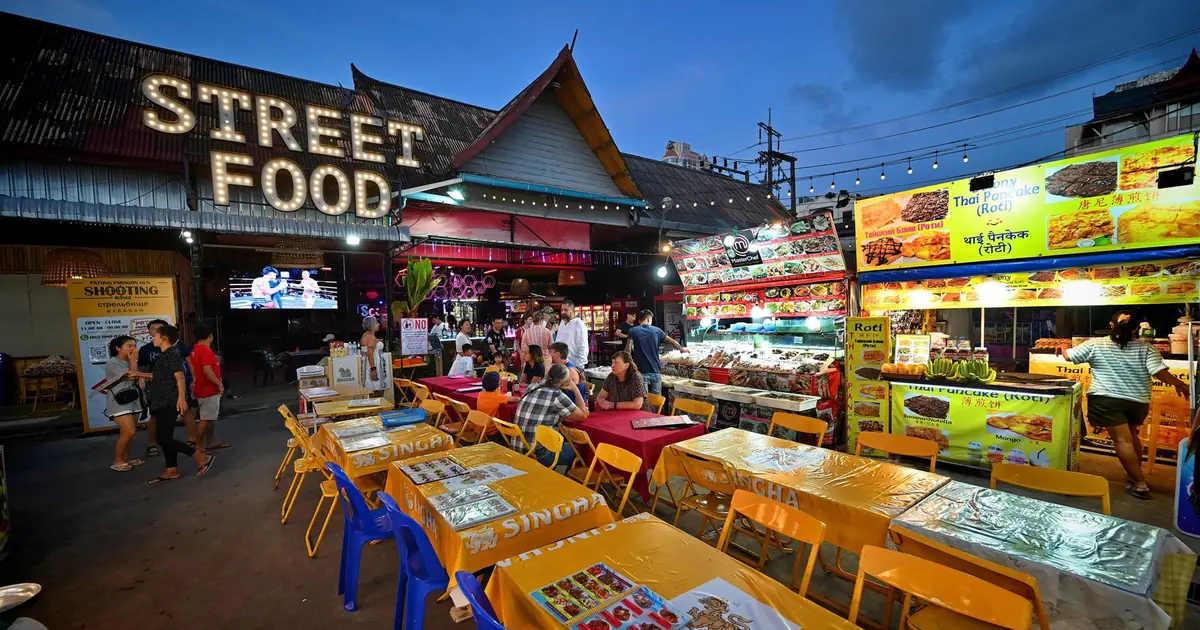
Phuket's food is one of the best reasons to live here, and local meals are cheap if you eat where residents eat. This page covers the dishes, typical prices and the main markets, checked in November 2026. Market days, opening hours and prices change, so check before you go.
What makes Phuket food different
Local food reflects southern Thai, Hokkien Chinese and Peranakan influences, and southern dishes are often spicier, fishier and bolder than central Thai food. Phuket Town is listed by UNESCO as a City of Gastronomy, and the old town is where much of the Hokkien food heritage is concentrated.
Dishes to try
- Mee hokkien, the local fried noodle dish, and oh tao, a seafood and egg dish, which guides call the dishes most associated with Phuket.
- Moo hong, slow-braised pork.
- Khanom jeen, rice noodles eaten with curry, a southern staple.
- Dim sum and a-pong, sold at morning stalls and small cafes in Phuket Town.
- Roti with curry or banana, reflecting the Muslim community's cooking, widely sold at stalls and night markets.
- Fresh seafood, southern curries and turmeric-marinated satay.
What it costs
Guides give a range of prices, and they vary by area and venue. Street stall meals such as a noodle bowl or a plate of rice with stir-fry are commonly quoted at about 50 to 100 baht, with one guide saying that most street food meals cost 30 to 100 baht. A meal at a mid-range local restaurant runs about 150 to 250 baht, and one guide says you can eat well on 200 to 300 baht a day mostly eating Thai food. Tourist-area restaurants and beach clubs cost much more. Our cost of living page has full budgets.
Markets and night markets
- Ranong Road morning market in Phuket Town, open early, is described as the best place for local breakfast dishes.
- Lard Yai Sunday Walking Street on Thalang Road in the old town, held on Sunday evenings with food, crafts and performances.
- Chillva Market on Yaowarat Road, described as a popular market with food, music and craft beer, on certain evenings in the week.
- Naka Weekend Market in Phuket Town, a large night market with many food stalls.
- Banzaan Market in Patong, a fresh market by day that turns into a night market with street food.
- Kata Night Market and other area night markets.
- Lock Tien food court near Surin Circle in Phuket Town, an indoor local food court, best earlier in the day.
Market days and times change, so check recent posts or ask locals, and arrive earlier for the freshest food and shorter queues. Walk past the first stalls near the entrance to find the more local ones.
Tips for ordering
- Carry small cash, since many stalls prefer it.
- Eat where the line is long, and where food is cooked fresh.
- Learn a few words, and see the Thai language guide and the etiquette guide.
- Ask for less spice if you are not used to it.
- Be careful with ice and raw seafood if your stomach is sensitive, as the health guide explains.
- Take-away is usually sold in a bag, and many markets accept little else than cash.
Groceries and cooking
Big supermarkets, local fresh markets and specialist shops supply groceries, and imported foods cost more. If you cook at home, check your rental's kitchen and gas arrangements, and read the utilities and mould guide for storing food in humid weather.
This is general information, not medical, legal or insurance advice. Rules and conditions change, so check current official guidance for your situation.
Plan your stay: Thailand visa guides · Phuket area guides · Long-term rentals · Cost of living · More: Life, leisure and visiting · Phuket Field Guide